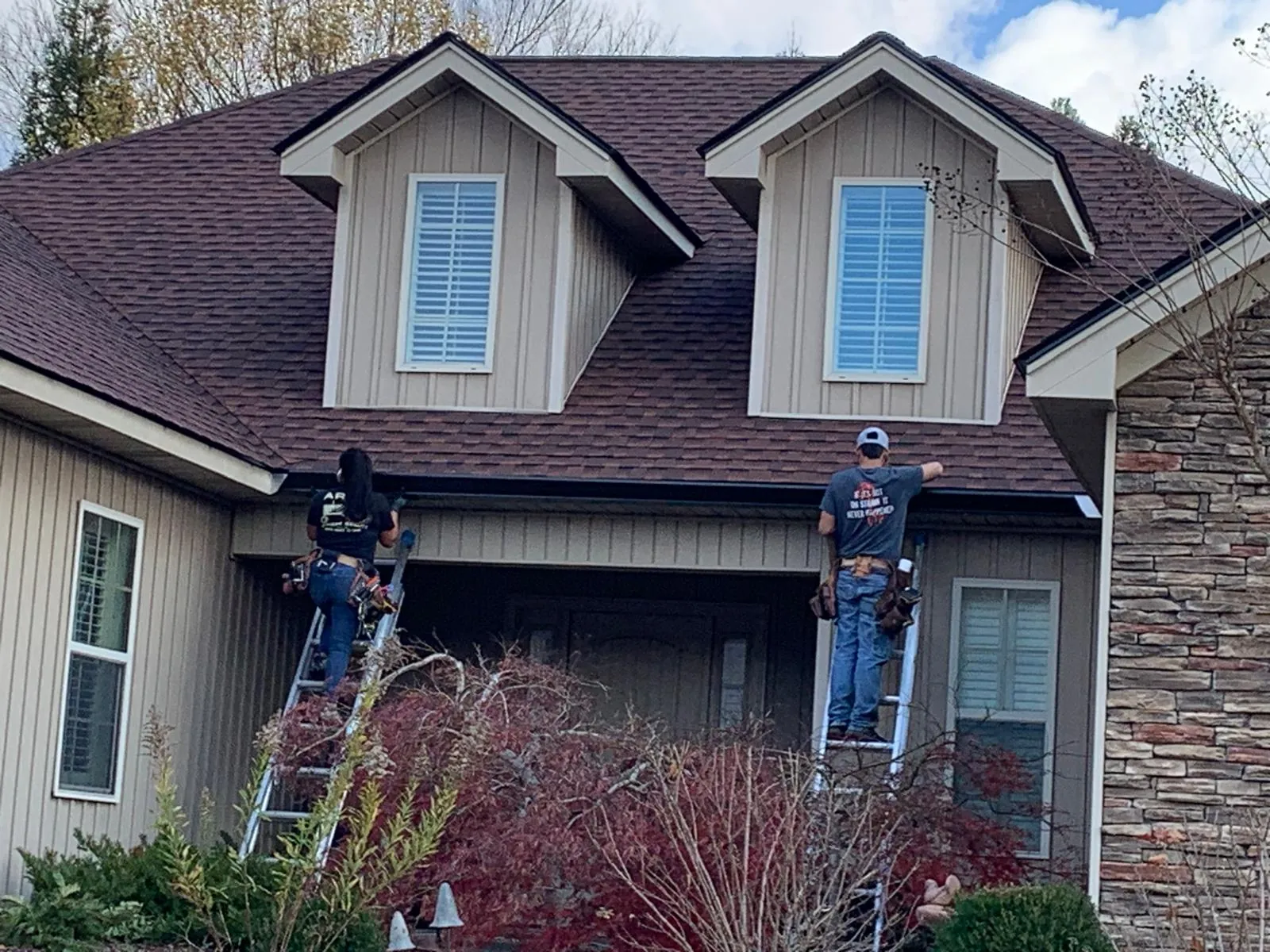
Commercial roofing projects require careful planning, accurate installation, and attention to the details that protect the building beneath the roof. The image shows a crew installing blue metal roofing panels across a large commercial structure, with additional roof sections and framing visible in the background. This type of project demonstrates why commercial metal roof installation involves more than simply placing panels over a roof deck.
JDB Construction & Roofing provides roofing solutions for commercial properties where proper material selection, preparation, and installation all play an important role in the finished roofing system.
A successful metal roofing project begins before the first panel is fastened. The existing roof structure and deck need to be evaluated so installers understand the conditions they are working with.
Preparation may involve removing unsuitable materials, checking the roof deck, addressing damaged areas, and making sure the surface is ready for the selected roofing assembly. The roof design also needs to account for slopes, penetrations, edges, transitions, and drainage.
For larger properties, these details can be particularly important because commercial roofs often cover substantial areas and may contain multiple roof sections.
Metal roofing is available in several configurations, and the appropriate system depends on the building, roof design, performance requirements, and project specifications.
JDB Construction & Roofing offers Metal Roofing as part of its roofing services. The company also provides Standing Seam Metal Roofs for projects where that particular system is appropriate.
The visible panels in the image have a blue finish and extend across a broad roof area. Color, panel profile, fastening method, and installation details should all be considered when planning a commercial metal roofing project rather than selecting a system based solely on appearance.
Once the roof assembly is properly prepared, metal panels can be positioned across the designated roof areas. Large commercial projects require installers to maintain consistent panel alignment while working around roof edges, penetrations, transitions, and adjoining sections.
Panel placement needs to follow the specifications of the particular roofing system. Fasteners, seams, overlaps, and connections must be installed appropriately so the completed roof functions as a coordinated system.
The image illustrates how much surface area a commercial crew may need to cover. Working systematically across the roof can help maintain consistent installation throughout the project.
Roof panels are only one part of a commercial roofing system. Areas where the roof meets walls, other roof sections, edges, openings, or equipment require appropriate detailing.
Flashing and related components help manage these transitions. Improperly addressed edges or penetrations can create potential pathways for water, making these areas an important part of the installation process.
A commercial roof may also contain different elevations and adjoining sections, as visible in the project shown. These transitions need to be incorporated into the overall roofing plan rather than treated as isolated details.
A commercial roof protects the building, its interior spaces, equipment, inventory, and occupants from outdoor conditions. Because of that role, installation quality matters throughout the entire project.
Accurate panel placement, appropriate fastening, properly detailed transitions, and careful finishing can all contribute to the performance of the completed system.
For property owners considering Commercial Roofing, professional installation also provides an opportunity to address project-specific requirements before the roof is completed.
Even a properly installed commercial metal roof benefits from periodic attention. Property owners should monitor the roof for visible damage, loose components, unusual changes around seams or penetrations, and drainage concerns.
Routine professional assessments can help identify conditions that deserve attention before they become larger roofing problems. When maintenance or damage is identified, Roof Inspections can provide a structured way to evaluate the condition of the roofing system.
The appropriate maintenance schedule depends on the roof type, property conditions, age, weather exposure, and manufacturer recommendations.
Commercial metal roofing should be approached as a complete system rather than simply a collection of metal panels. The structure, deck, underlayment or other specified components, panels, fasteners, flashing, edges, and transitions all contribute to the final result.
The project shown in the image highlights the scale and coordination involved in installing metal roofing across a commercial building. With careful preparation and professional installation, property owners can establish a roofing system designed around the specific characteristics of their building.
JDB Construction & Roofing can help commercial property owners evaluate their roofing needs and determine which available roofing solution fits the project requirements.
Commercial metal roof installation is the process of preparing a commercial building’s roof structure and installing a specified metal roofing system, including panels, fasteners, flashing, and related components.
Metal roofing can be used on commercial buildings, but the appropriate system depends on the building design, roof structure, project specifications, and applicable requirements.
The roof deck, existing roofing conditions, roof geometry, edges, penetrations, drainage, and transition areas should be evaluated before installation begins.
The sitemap identifies Metal Roofing and Standing Seam Metal Roofs among JDB Construction & Roofing’s services. The appropriate system depends on the specific project.
Periodic professional Roof Inspections can help property owners monitor the condition of the roofing system and identify issues that may require maintenance or repair.
Free inspections, honest estimates, photo-documented insurance claim help, and 24/7 storm response across the Tennessee Valley and Middle Tennessee.
Request Free Inspection Call (423) 558-2016