“Outstanding company with professionalism from top to bottom. Courteous and respectful in all communications. Levi will take care of your problems, and his word is solid. Stop worrying and call JDB.”
The same licensed, insured crews that built JDB's reputation across the Tennessee Valley now serve the Highland Rim and Central Basin — Murfreesboro, Shelbyville, Tullahoma, Manchester, and McMinnville — within 90 miles of our Chattanooga shop.
Middle Tennessee's roofs face a different profile than Chattanooga's ridges. The Highland Rim and Central Basin are flatter and more open, so spring hail and straight-line wind travel with less to slow them down — and this corridor sees more than its share of severe weather. Whether it's an aging early-2000s subdivision, a barn on a Bedford County horse farm, or a plateau-edge home in nursery country, we build for the conditions each town actually deals with.
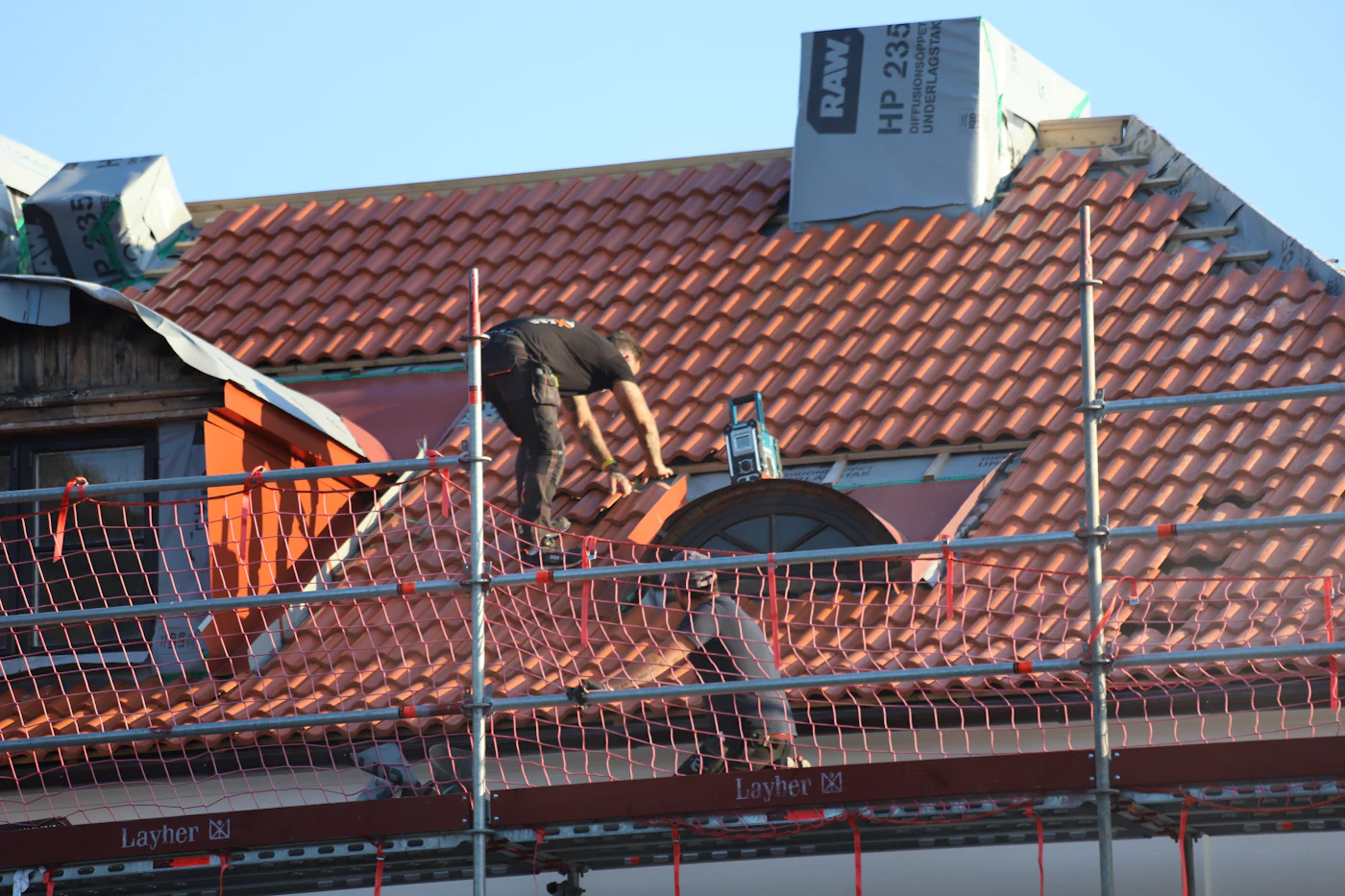
Manchester is the closest of our Middle Tennessee towns to home — about 55 miles up I-24 — and most people know it for Bonnaroo and Old Stone Fort State Park. For roofing, its spot right on the interstate at the edge of the Highland Rim matters: Coffee County catches the severe weather that rolls in off the plateau, and Manchester's mix of older in-town homes, newer builds, and roadside commercial buildings means we see everything from a single storm-lifted shingle to full commercial flat-roof work.
Because Manchester is so close to our base, we can respond fast after a storm — which is exactly when speed counts. Getting a roof documented and tarped before the next round of rain is often the difference between a straightforward insurance claim and water damage that spreads into walls, insulation, and ceilings.

Tullahoma's roofing needs are shaped by two things: a stable base of established neighborhoods, and a workforce built around Arnold Air Force Base and the engineering community around it. These are homeowners who ask sharp questions and expect straight answers — which suits how we work. The city's mature tree canopy is beautiful, but it also means more shade, more debris in valleys and gutters, and more limbs coming down in a storm, all of which quietly shorten a roof's life when they're ignored.
Tullahoma sits on the Highland Rim near Tims Ford and Normandy Lakes, and lake-area homes face extra wind and moisture exposure. Between the humidity, the summer sun, and the spring storm season that runs through Coffee County, a roof here works hard. The difference between one that lasts its full rated life and one that fails early usually comes down to ventilation, flashing detail, and catching small problems before they spread.

McMinnville is the Nursery Capital of the World, and Warren County's enormous tree-and-nursery industry gives the area a character all its own. It also sits right against the Cumberland Plateau escarpment, and that elevation transition changes the weather: McMinnville tends to see more rain, more humidity, and sharper freeze-thaw swings than the valley floor — all of it hard on roofs. Add the agricultural buildings scattered across the nurseries and farms, and you get a real range of roofing work, from residential asphalt and metal to barns, greenhouses, and outbuildings.
The plateau edge also funnels storms, and Warren County catches its share of spring hail and wind. For roofs up here, ventilation and moisture management aren't optional extras — they're the difference between a roof that reaches its rated lifespan and one that rots from the deck up. We build for the conditions this specific corner of Middle Tennessee actually deals with, not a generic checklist.
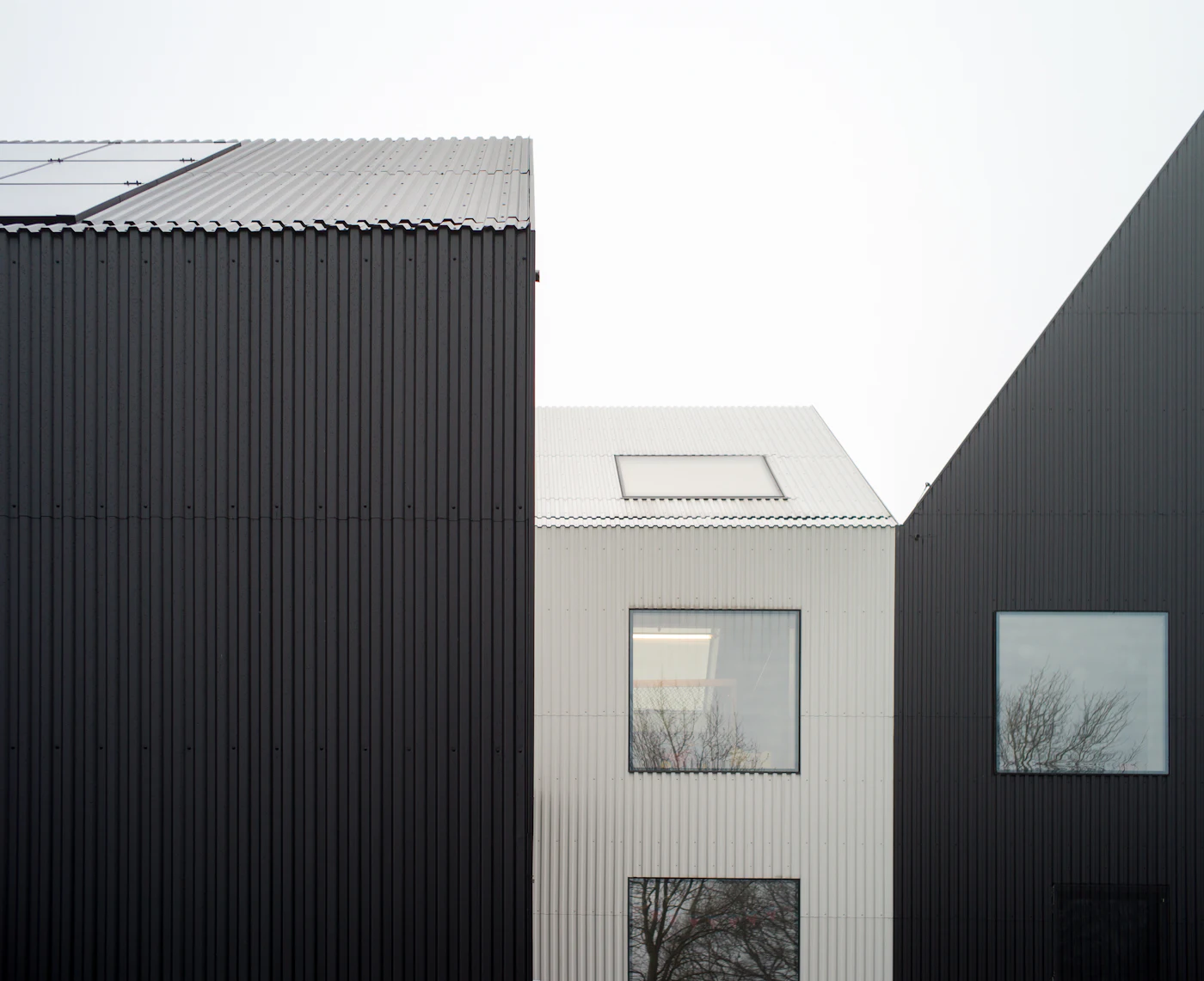
Shelbyville is the Walking Horse Capital of the World, and Bedford County's mix of in-town homes, farmhouses, and working agricultural buildings makes for a roofing landscape you don't see in the suburbs. A lot of properties here pair a house with barns, stables, and outbuildings — and those structures are where metal roofing earns its keep. Standing-seam and metal panel systems shrug off decades of Middle Tennessee sun and storms with almost no upkeep, which is why so many horse farms and rural homeowners near the Celebration grounds have already switched.
Bedford County still catches the same spring severe weather as the rest of the Highland Rim — hail, wind, and the occasional damaging storm. Rural roofs also tend to go longer between professional eyes on them, simply because they're harder to see from the ground. A yearly inspection catches the small stuff before a leak reaches the hay, the tack, or the living room.
Murfreesboro sits at the exact geographic center of Tennessee, and for two decades it's been one of the fastest-growing cities in the state. That growth shows up on the roofs. Whole subdivisions in Blackman, Barfield, Salem, and out toward Christiana went up in the early-to-mid 2000s, which means a lot of Rutherford County homes are now hitting the 15-to-25-year window where the original builder-grade asphalt shingles start giving out — right on schedule, all across the same neighborhoods at once.
The historic homes around the downtown square and the older streets off Main have a different set of needs: steeper pitches, older decking, and detail work that a fast production crew tends to rush. And Middle Tennessee sits squarely in an active severe-weather corridor. The 2009 Good Friday tornado that tore through Murfreesboro is the one everyone remembers, but spring hail and straight-line wind come through most years. Because the Central Basin is flatter and more open than Chattanooga's ridges, wind and hail travel with less to slow them down — which is exactly why documenting storm damage properly, and fast, is what makes or breaks a clean insurance claim.
Rated 4.9 / 5 from 184 verified customer reviews across Google and Facebook.
See all Google reviews“Outstanding company with professionalism from top to bottom. Courteous and respectful in all communications. Levi will take care of your problems, and his word is solid. Stop worrying and call JDB.”
“Excellent company. They put a new roof on for me and it looks amazing and the price was great. Would definitely recommend them to everyone.”
“I had a really great experience with JDB. Chris C is extremely knowledgeable and had an estimate for me buy the time he came down from the roof. Joshua was an excellent team lead, answered all my questions and bought some things…”
“This business is exceptional! I highly recommend them.Levi and Chris are very professional,knowledgable,friendly and very attentive.The guys who did the work were very prompt,respectful and did great work.I had…”
“Chris Clayton and Joshua were awesome to work with on this house project. They both were great with communication, all my questions were answered. Joshua is a great team leader, his attention to detail and hard work is greatly…”
“Have done many roofs for me and my company, and have always done a great job. They are very Professional, and always have given me great pricing.”
Free inspections, honest estimates, photo-documented insurance claim help, and 24/7 storm response across the Tennessee Valley and Middle Tennessee — no pressure, no invented problems.
Request Free Inspection Call (423) 558-2016