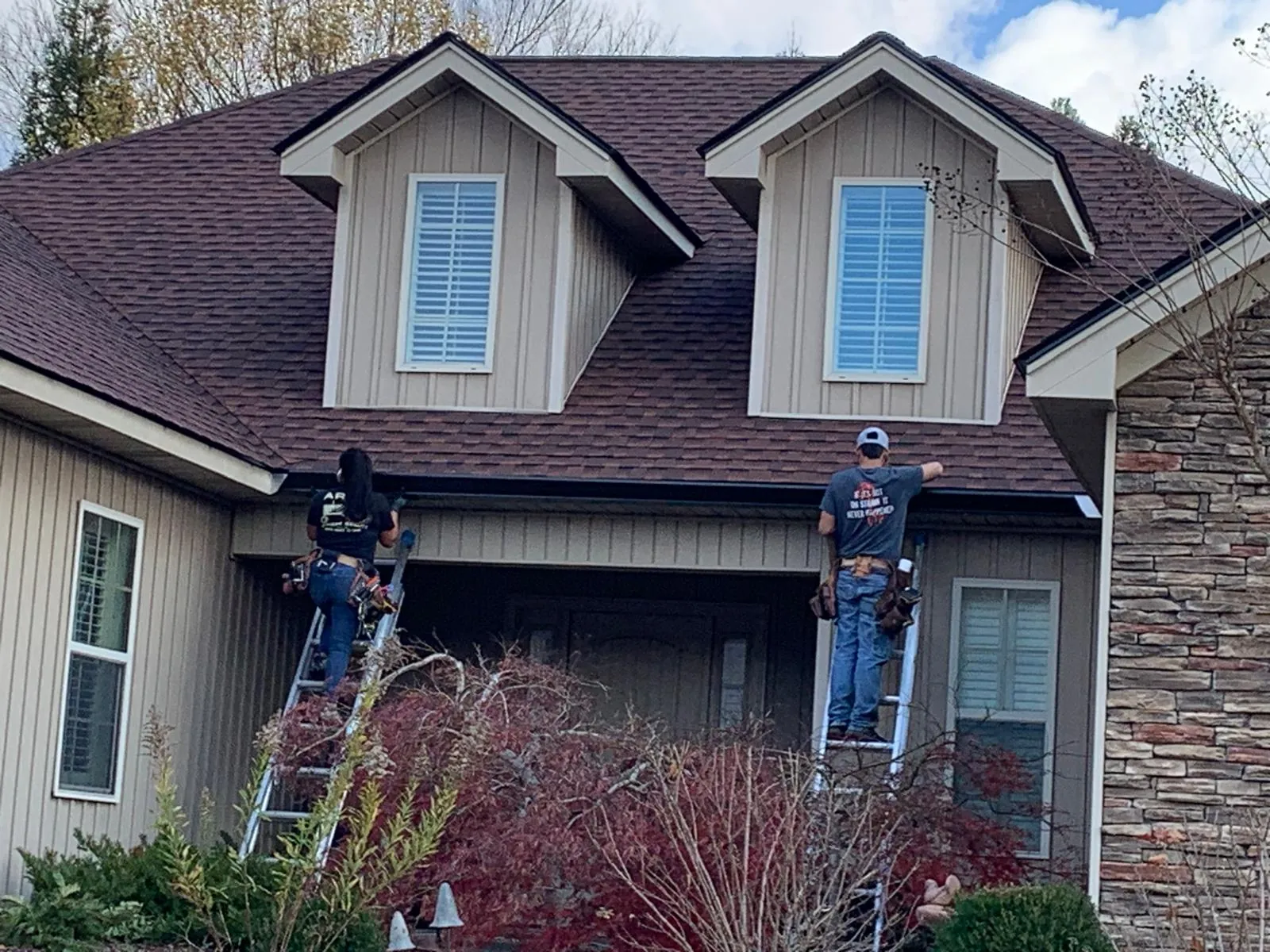
A new asphalt shingle roof is more than a layer of shingles placed over an existing structure. The layout, alignment, fastening, and installation sequence all contribute to how the finished roof looks and how the roofing system works together. Proper asphalt shingle alignment is especially important on residential roofs with long slopes, changing roof lines, dormers, and multiple transitions.
Shingles are installed in planned courses so each row works with the rows around it. Consistent alignment helps maintain predictable exposure and creates a uniform appearance across the roof surface. Uneven courses can become noticeable quickly, particularly on large, unobstructed slopes.
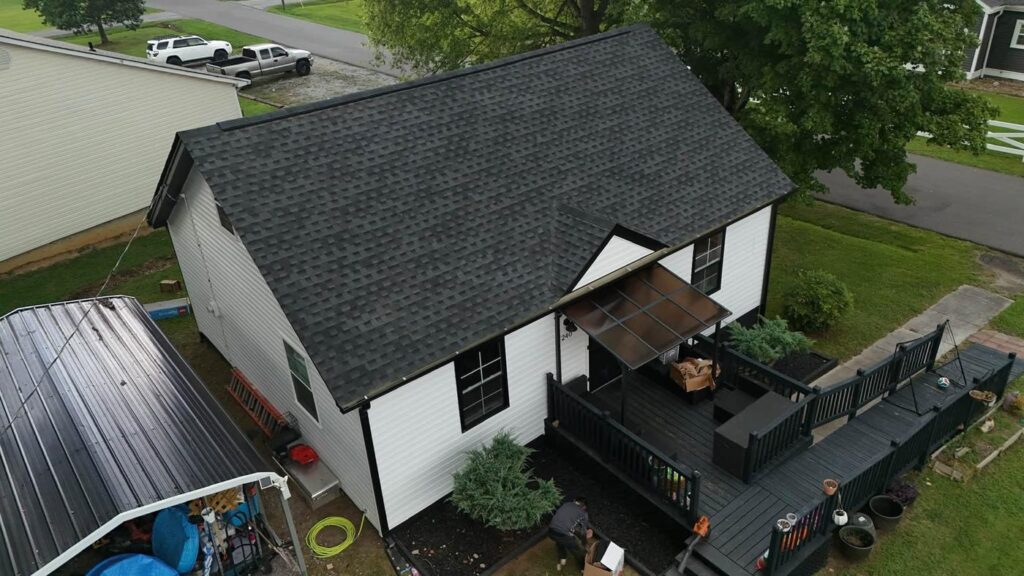
Alignment also has a practical role. Roofing materials are designed to be installed according to specific patterns and fastening requirements. Following those requirements helps the completed roof function as the manufacturer and roof design intended.
Shingle alignment begins before the first shingle is installed. The roof deck and underlying materials need to be evaluated, and the installation surface should be ready for the selected roofing system. A clean, stable base makes it easier to establish straight courses and maintain consistent installation throughout the project.
JDB Construction & Roofing can begin the process with a complete roof inspection when existing conditions need to be evaluated before installation decisions are made.
The first courses create the visual and installation reference for the rest of the roof. If the starting layout is inconsistent, small alignment errors can carry upward and become more noticeable as additional rows are installed.
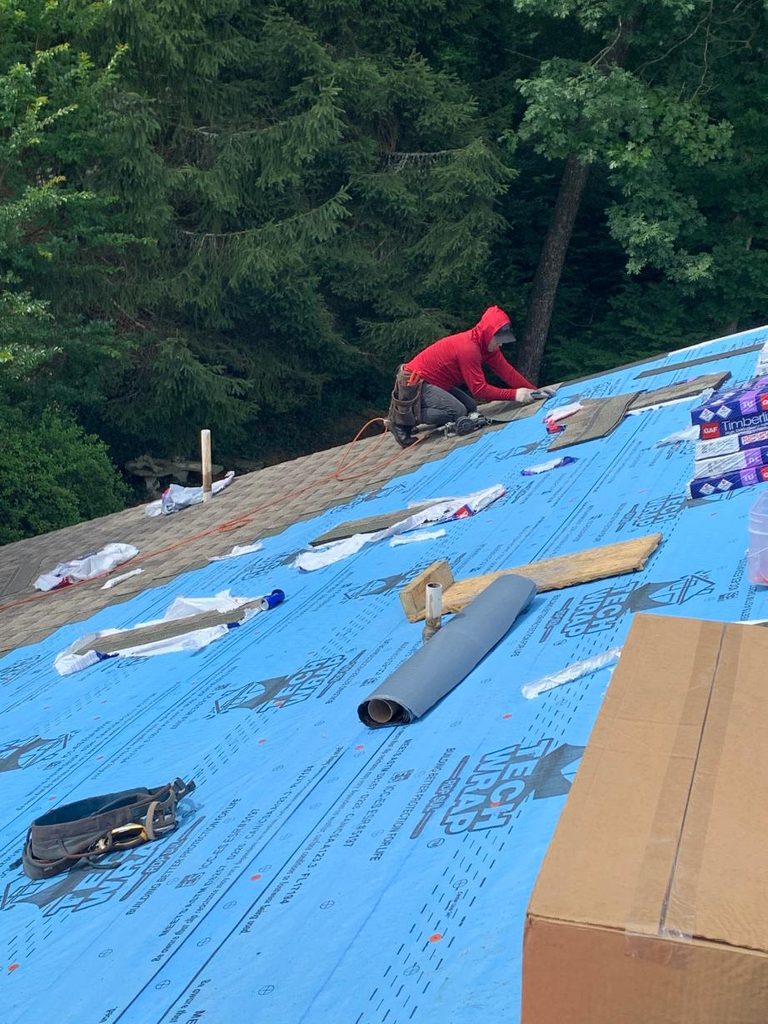
Roofing crews generally use careful measurements, chalk lines, reference points, and manufacturer-specific layout instructions to keep the shingle courses consistent. The exact process depends on the roof geometry and the shingle product.
Residential roofs are rarely simple rectangles. Valleys, dormers, intersecting slopes, sidewalls, and other transitions can change how shingles are laid out. These areas need to be planned so the shingle pattern transitions correctly without creating unnecessary irregularities.
A roof with multiple planes may require more layout planning than a simple gable roof. Taking time to establish those transitions before installation can reduce rework and improve the finished appearance.
Asphalt shingles are installed with a designed exposure, meaning the amount of each shingle that remains visible after the next course is placed. Consistent exposure helps create the intended look and ensures the product is installed according to its requirements.
Inconsistent exposure can make the roof appear uneven even when the individual shingles are in good condition. Good workmanship therefore combines alignment with accurate spacing and fastening.
Shingle alignment and fastening work together. The shingles need to be positioned correctly before they are secured, while the fastening pattern must follow the requirements for the product and roof system.
Fasteners that are misplaced, overdriven, or underdriven can affect the performance of the installation. Roofing contractors should follow the applicable product instructions and installation standards rather than relying on appearance alone.
A properly installed shingle roof should have a controlled, repeatable pattern across the main roof slopes. Consistency gives the finished roof a more professional appearance and makes it easier to identify unusual areas that may need inspection later.
For a new roofing project, homeowners can also review new roof installation services to understand the broader installation process from preparation through completion.
Professional installation becomes especially useful when a roof includes multiple slopes, intersecting roof lines, dormers, or other architectural details. Experienced installers can establish a consistent layout while working around transitions and maintaining the requirements of the selected shingle system.
For homeowners comparing roofing options, JDB Construction & Roofing can help plan the project around the condition and design of the existing roof.
Consistent alignment helps maintain planned shingle exposure, creates a uniform appearance, and supports installation according to the roofing product’s requirements.
Alignment is one part of the overall installation. Problems with layout, fastening, transitions, or other installation details can affect the roofing system, so the complete installation process matters.
No. Roof geometry, shingle product, manufacturer requirements, and project conditions can change the appropriate layout and installation sequence.
The roof deck, existing roofing materials, underlayment requirements, flashing areas, roof transitions, and installation surface should be evaluated before the final shingle installation begins.
Free inspections, honest estimates, photo-documented insurance claim help, and 24/7 storm response across the Tennessee Valley and Middle Tennessee.
Request Free Inspection Call (423) 558-2016