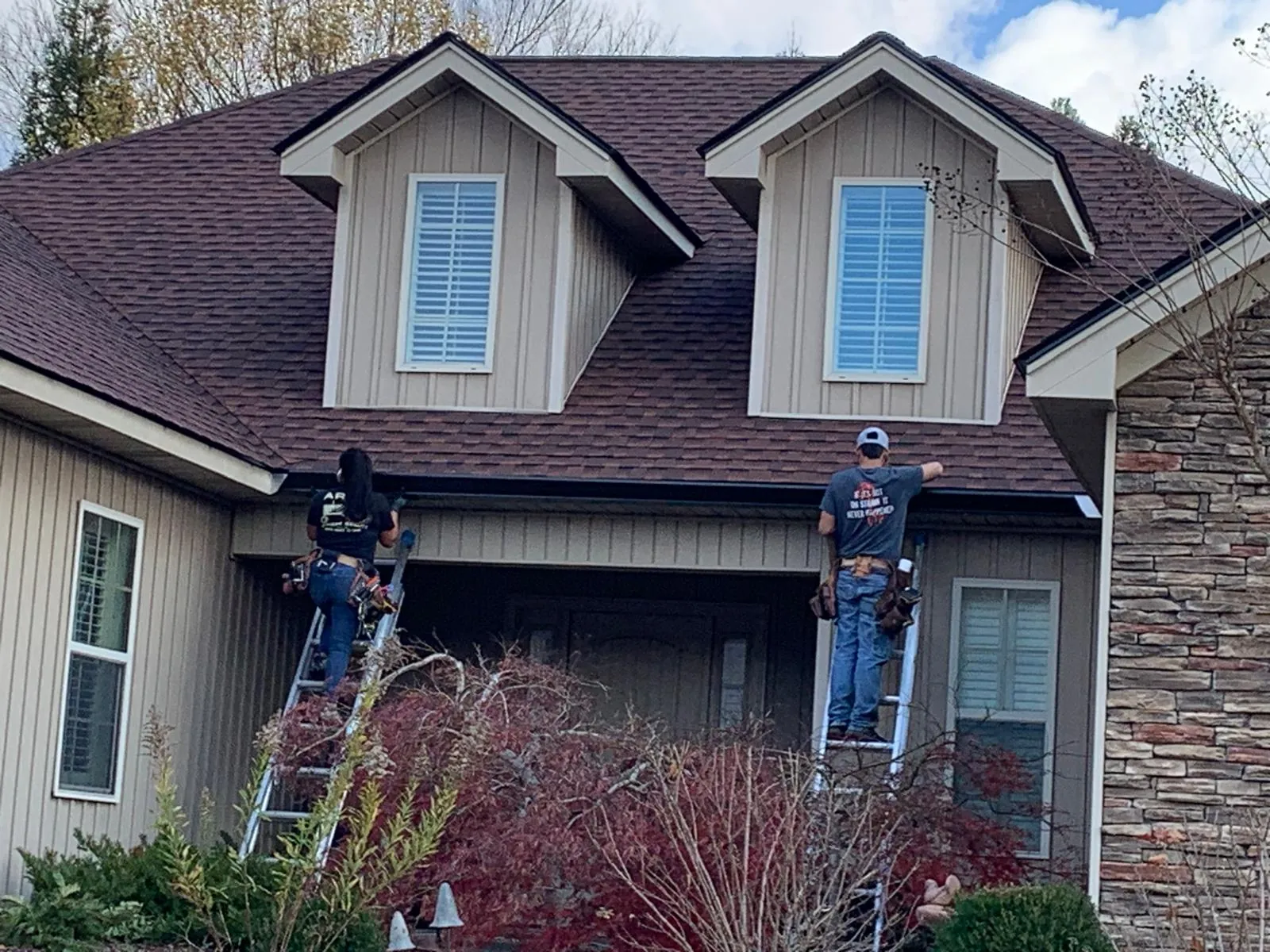
Synthetic roof underlayment installation is an important stage of a roofing project. Installed between the roof deck and the primary roofing material, this protective layer helps reduce moisture exposure and provides additional protection while the roof covering is being installed. Proper preparation, fastening, and overlapping are essential for a dependable roofing system.
Synthetic roof underlayment is a protective roofing material manufactured using synthetic fibers or polymers. It is installed over the prepared roof deck before asphalt shingles or other compatible roofing materials are applied.
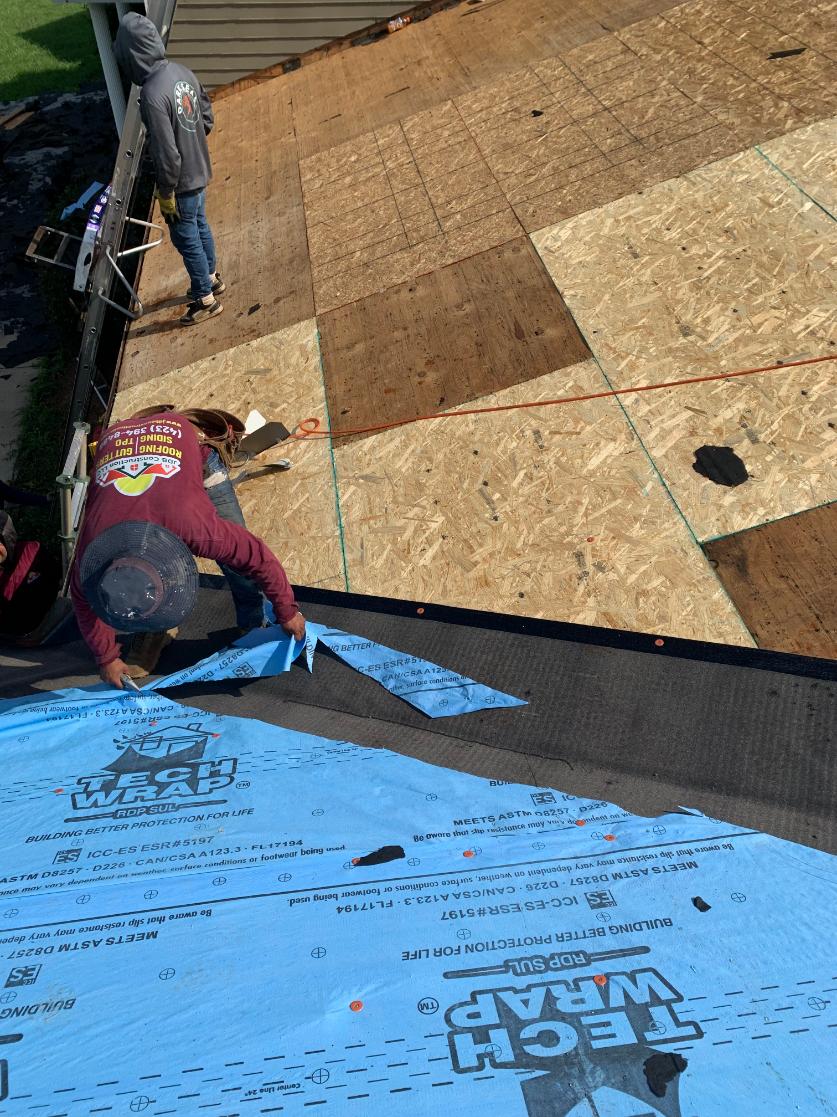
Unlike the finished roof covering, underlayment acts as a secondary layer of protection. It helps protect the roof deck from moisture exposure during installation and provides an additional barrier beneath the primary roofing material.
The exact performance and installation requirements depend on the selected product and the roofing system.
Before installing underlayment, roofing professionals should inspect the exposed roof deck. The surface needs to be clean, dry, and suitable for the roofing system.
Loose nails, protruding fasteners, damaged plywood, and deteriorated sections should be addressed before installation begins. A properly prepared deck provides a better surface for the underlayment and finished roof.
Roof edges, valleys, chimneys, skylights, and other roof penetrations require careful attention. Depending on the roofing system, additional leak protection may be required in these areas.
The installer should follow the applicable roofing product instructions and local building requirements.
Synthetic underlayment is commonly installed in horizontal courses across the roof deck. Each course must be positioned and overlapped according to the selected manufacturer’s installation instructions.
Correct positioning helps direct water away from vulnerable seams rather than allowing it to enter beneath the material.
Appropriate roofing fasteners must be selected for the specific underlayment and roof deck. Their spacing, positioning, and installation method should follow the product instructions and applicable code requirements.
Incorrectly installed fasteners, loose material, or wrinkles can affect the finished roofing system.
After installation, the roofing surface should be checked for loose edges, damaged sections, open seams, and improperly secured areas.
Any necessary corrections should be completed before the primary roof covering is installed.
Synthetic underlayment is only one part of a complete roofing system. Its performance depends on a suitable roof deck, correct installation, compatible roofing materials, and proper protection at vulnerable roof areas. Every stage should be completed according to the selected products and applicable building requirements.
It provides a secondary protective layer between the roof deck and the primary roof covering, helping reduce moisture exposure when correctly installed.
Damaged, deteriorated, or unsuitable roof decking should be evaluated and repaired or replaced before underlayment installation.
No. Overlap requirements, fastening methods, exposure limits, and other installation instructions can vary between products.
A properly installed roofing system begins with careful preparation and the correct installation sequence. JDB Construction & Roofing provides roofing solutions for residential and commercial properties across its service area.
Explore new roof installation services and learn more about professional roof inspections.
Visit JDB Construction & Roofing to learn more about available roofing services.
Free inspections, honest estimates, photo-documented insurance claim help, and 24/7 storm response across the Tennessee Valley and Middle Tennessee.
Request Free Inspection Call (423) 558-2016